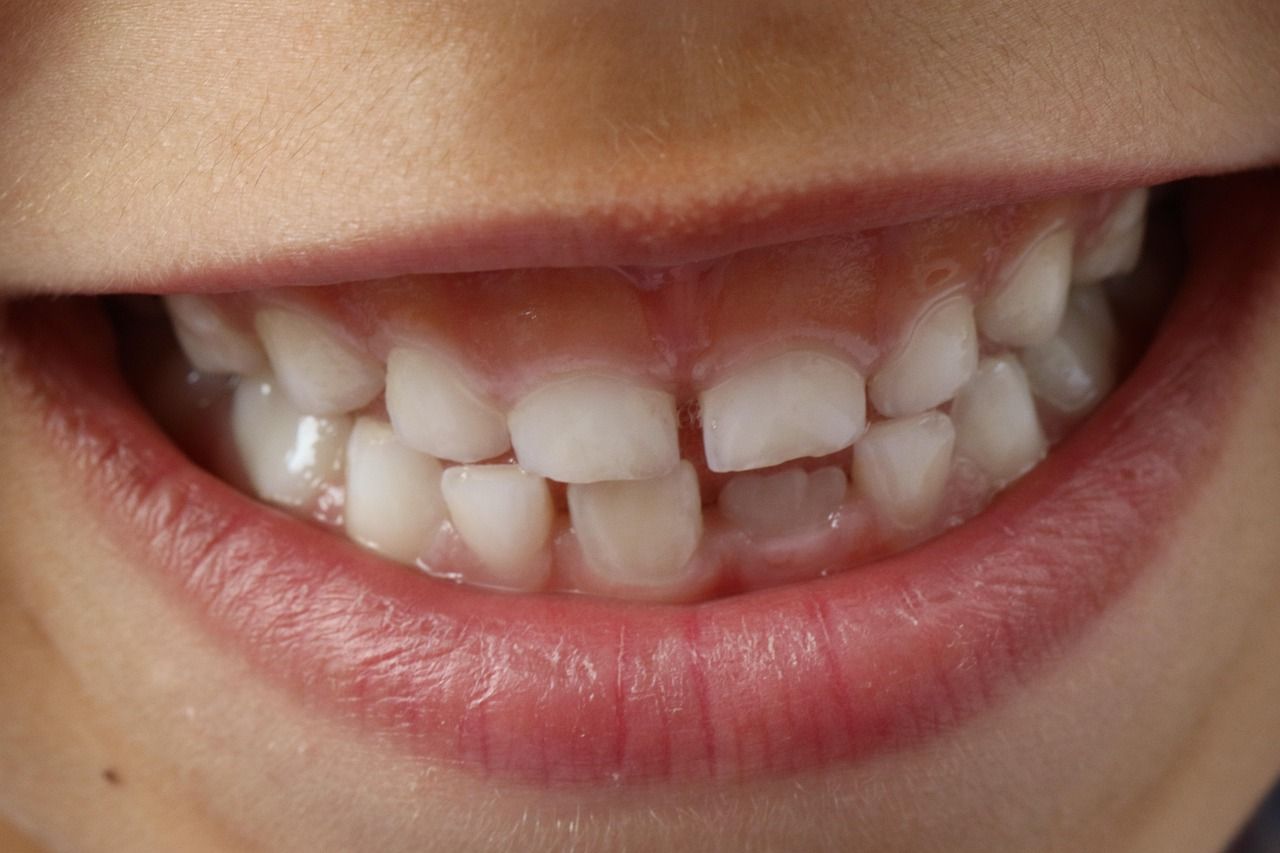
Pediatric Dentistry (Pedodontics)
Pediatric dentistry — also called pedodontics — is all about looking after your child's teeth and gums from birth through to their late teens, when the permanent teeth are fully in place.
First Dental Examination for Children
The World Health Organization and the American Academy of Pediatric Dentistry recommend that children's first dental examination should be performed after the first tooth erupts, generally between 6 months and 1 year of age. Dental visits during this period are very important for families to learn about proper nutrition, breastfeeding and correct dental hygiene to prevent future problems.
Preventive Dentistry
Preventive dentistry includes procedures aimed at solving problems that may occur in a child's oral and dental health from the first tooth eruption to approximately 13–14 years of age, as well as preventing problems from occurring.
Procedures include regular dental check-ups, nutrition regulation, teaching proper dental cleaning and preventing bad habits such as thumb sucking and nail biting.
Fissure Sealant Application
The pits and fissures on the chewing surfaces of molars are the areas most prone to decay development. These areas are ideal for the accumulation of bacteria and food debris and are difficult to clean due to their depth and narrowness. Fissure sealant is the process of sealing these pits and fissures with a white sealant material before decay occurs. The application is painless and no grinding is performed on the tooth.
Fluoride Application
Fluoride is an element whose effectiveness in preventing decay has been proven by research. It strengthens the enamel, the outermost layer of the tooth, making it more resistant to decay. It also helps prevent acid production by bacteria that cause tooth decay.
The Turkish Pedodontic Society and the Turkish Dental Association have stated that fluoride sources used to prevent decay do not contain toxic doses of fluoride and are therefore safe.
Space Maintainers
When early loss of primary teeth due to decay or trauma is observed, the resulting space closes through the sliding movement of adjacent teeth. Space maintainers are fixed or removable structures applied to the extraction area to preserve the existing space until the permanent teeth below emerge, preventing future crowding.
Their fabrication and use is quite simple. After extraction, an impression is taken from the extraction area and they are custom-made by dental technicians according to the child's age and the size of the space.
Dental Treatment Under General Anesthesia
It is not always possible to perform dental treatments in the dental chair for children with dental phobia, communication difficulties or very young children. In such cases, it is possible to treat all decayed teeth in a single session.
Before the decision for general anesthesia, the patient is evaluated by an anesthesiologist to determine if there are any concerns about sedation. All procedures are performed painlessly in a single session by a pedodontist accompanied by an anesthesiologist in a fully equipped hospital. After the procedure, the child is kept under observation for 2–3 hours and can be discharged the same day.
Post-Trauma Intervention
Dental trauma is more commonly seen in children aged 1–3 years who are starting to walk and 7–10 years of school age. The upper front incisors are most affected by trauma.
Especially in complicated dental traumas such as tooth fractures and complete avulsion, the time between the trauma and the dental visit is crucial. In case of complete avulsion, the tooth should be rinsed with clean water without touching the root portion and then placed in milk, and a dentist should be visited as soon as possible (within one hour).