Cosmetic Dentistry
Cosmetic dentistry brings together a range of advanced techniques to reshape, brighten and perfect your smile in line with today's aesthetic standards.
Smile Design
Smile design is a planning process for correcting dental and tissue structures to match aesthetic norms, taking into account lips and contours. Custom designs evaluate tooth color, surface structure, form, axis, lip line, face shape and smile symmetry.
Modern applications use Digital Smile Design computer programs to visually present designs to patients before procedures begin.
Studio photographs of intraoral and extraoral structures are taken, digitally evaluated and examined through clinical assessment and radiography. Gum health, balance, tooth contacts, dimensions, surface characteristics and incisal edge properties are analyzed. External factors such as face shape, smile type and skin tone are also integrated. Designs are presented digitally and applied in-mouth with temporary materials for patient approval.
Porcelain Laminate Veneers
A glass ceramic method that produces the most aesthetic results. No color changes occur after treatment. Ultra-thin veneers at 0.2 mm thickness reflect natural tooth color, providing optimal and natural-looking results.
Applications:
- Severely discolored teeth unresponsive to whitening
- Structurally compromised teeth
- Closing gaps between teeth (diastema)
- Repairing broken or worn teeth
- Correcting old discolored restorations
- Straightening crooked teeth (orthodontic alternative)
Most applications require minimal tooth surface modification, limited to 0.2–0.3 mm at the enamel level. No anesthesia is needed. Prepared surfaces are measured using digital or conventional methods and sent to the laboratory. Restorations are typically completed within 3–7 days.
Zirconia Applications
A light-colored metal with natural tooth-compatible coloring and high resistance to compressive and tensile forces. Its high polishability makes it gum-friendly and widely used in porcelain applications.
The procedure begins with anesthesia-assisted mouth preparation and tooth sectioning. Temporary restorations are applied for gum-level preservation and shaping. Measurements are sent to the laboratory. Preparation, design, revision and completion require approximately 7–10 days.
Inlay / Onlay and Overlay (Porcelain Fillings)
Laboratory-prepared porcelain restorations for repairing broken or decayed teeth. Preferred where conventional filling risks apply but tooth structure permits restoration without full coverage. Used in root-treated teeth and smile design procedures for bite elevation. Polished external surfaces provide excellent hygiene.
The procedure is typically completed within two appointments.
Composite Laminate Veneers (Bonding)
An aesthetic composite material method for digital or conventional design implementations. Also known as composite laminate, composite veneer or bonding. It is the most affordable and quickest-applied system, completable in a single appointment or with prototype preview.
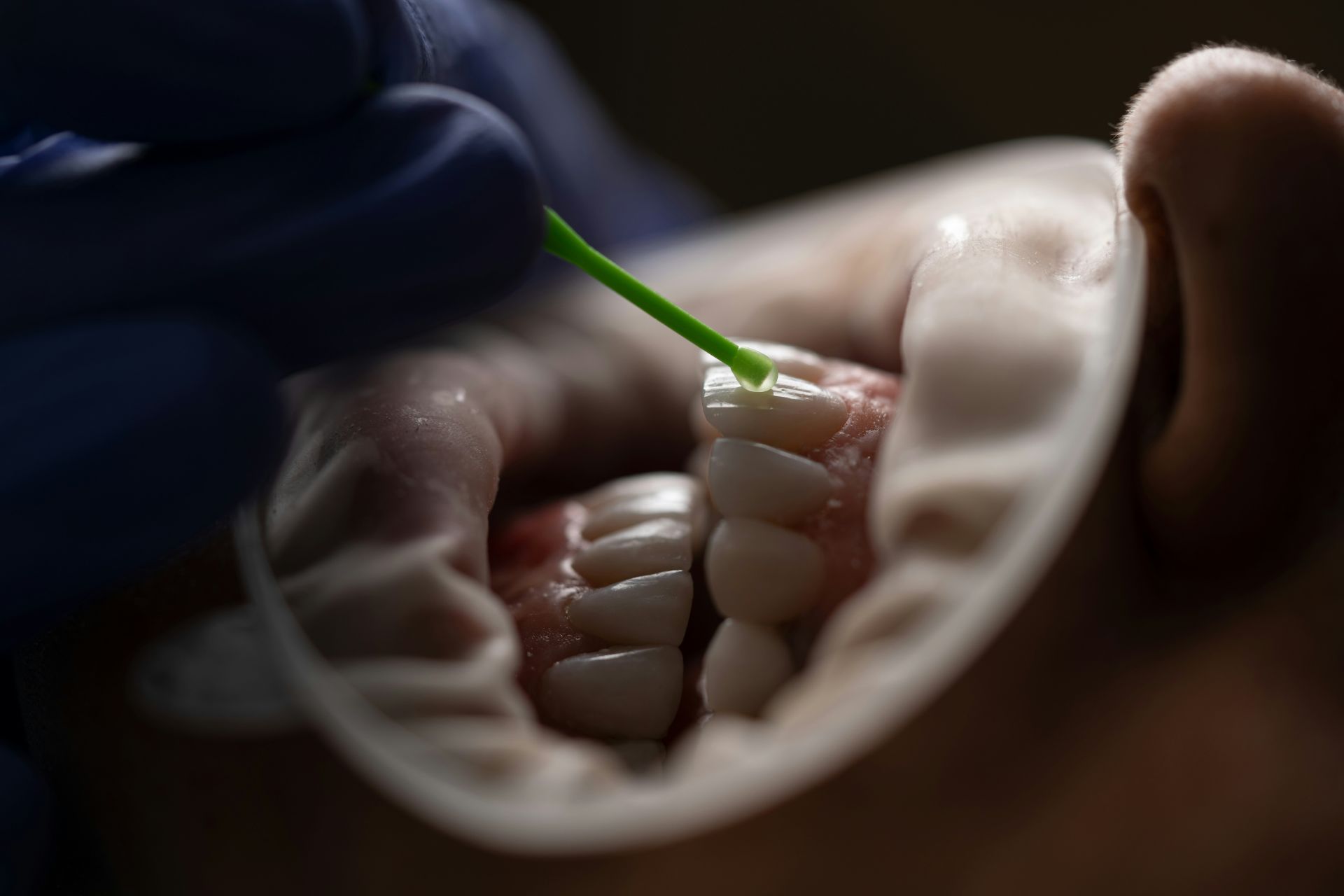
Applied directly to natural teeth. Chemical treatment provides light surface roughening. Bonding adhesive materials and composite aesthetic filling are applied in layers, precisely mimicking the appearance and characteristics of natural teeth.